![]() |
![]() CDROM VERSION POSTER STORE ABBOTT ANSEL ADAMS ROBERT ADAMS ALVAREZ BRAVO ATGET BLOSSFELDT BOURKE-WHITE BRANDT BRASSAÏ CALLAHAN CAMERON COBURN CUNNINGHAM DeCARAVA DOISNEAU EGGLESTON EVANS FENTON FRIEDLANDER GOWIN GUTMANN HILL&ADAMSON HINE KARSH KERTÉSZ KLEIN KOUDELKA LANGE LARTIGUE LAUGHLIN LEVITT MAPPLETHORPE MEATYARD MEYEROWITZ MODEL MODOTTI MUYBRIDGE NADAR NEWMAN O'SULLIVAN OUTERBRIDGE PARKS PENN RIIS RODCHENKO SALGADO SHERMAN SHORE SMITH SOMMER STEICHEN STIEGLITZ STRAND TALBOT UELSMANN WALDMAN WATKINS WEEGEE WESTON WHITE WINOGRAND WOLLEH |
Text from Wikipedia
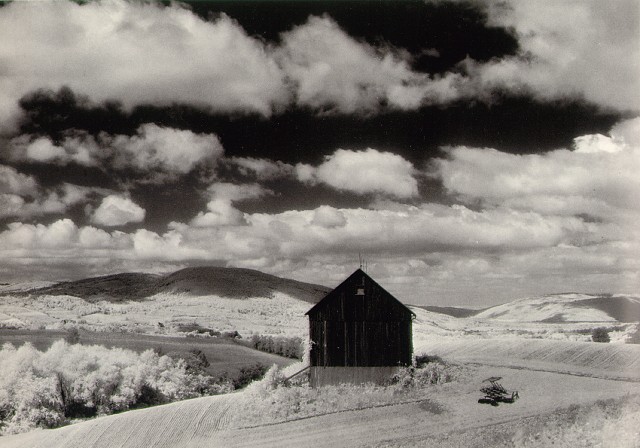
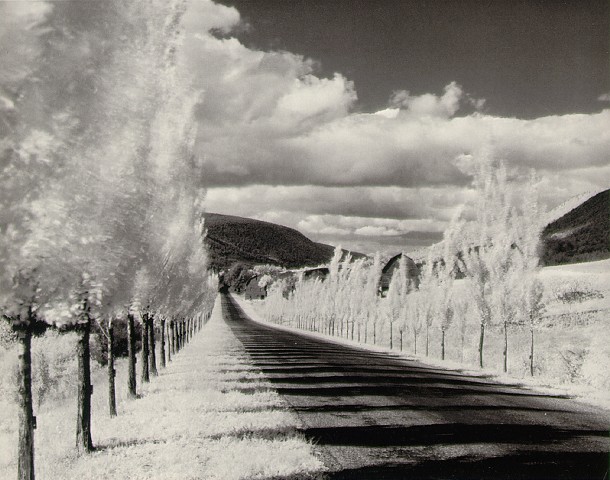
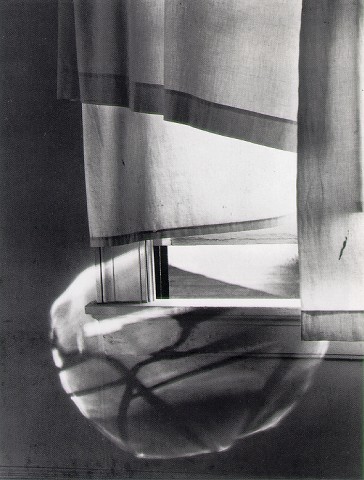
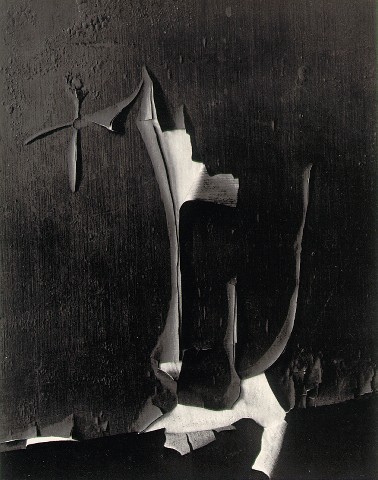
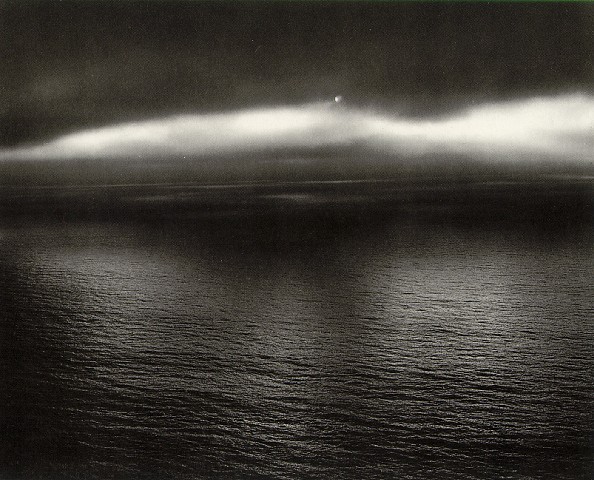
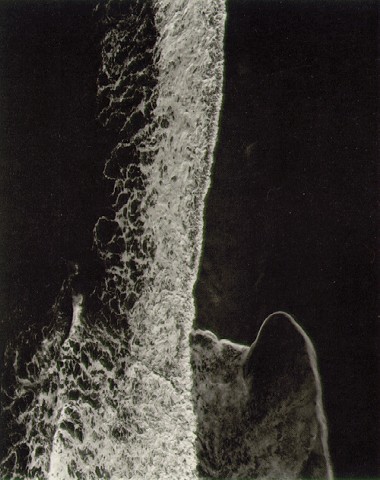
White, Minor Minor Martin White (July 9, 1908 - June 24, 1976) was an American photographer born in Minneapolis. He received a degree in Botany from the University of Minnesota in 1934, and moved shortly thereafter to Portland, Oregon. There he began his career in photography, taking on assignments from the Works Progress Administration and exhibiting at the Portland Art Museum. After serving in military intelligence in World War II, White moved to New York City in 1945. He spent two years studying aesthetics and art history at Columbia University and developing his own distinctive style. He became involved with a circle of influential photographers including Alfred Stieglitz, Edward Weston, and Ansel Adams; hearing Stieglitz's idea of "equivalents" from the master himself was crucial to the direction of White's mature post-war work. The "equivalents" of White were often photographs of barns, doorways, water, the sky, or simple paint peeling on a wall: things usually considered mundane. One of his more popular photographs is titled Frost on Window, a close-up of frost crystals on glass. However, in regards to an equivalent, the specific objects themselves are of little importance either to the photographer or the viewer. Instead, such a photograph captures a sentiment or emotionally symbolic idea using formal and structural elements that carry a feeling or sense of "recognition": a mirroring of something inside the viewer. In an essay titled "Equivalence: The Perennial Trend", White described a photographer who took such pictures as one who "...recognized an object or series of forms that, when photographed, would yield an image with specific suggestive powers that can direct the viewer into a specific and known feeling, state, or place within himself." (Gantz) At Ansel Adams' invitation, White moved back to the West Coast to join the faculty of the California School of Fine Arts in San Francisco, where he served from 1946 to 1953. His first major exhibition was in 1948 at the San Francisco Museum of Art. White co-founded the influential magazine Aperture in 1952 with fellow photographers Ansel Adams, Dorothea Lange, and Barbara Morgan; writer/curator Nancy Newhall; and Newhall's husband, historian Beaumont Newhall. White edited the magazine until 1975. In 1953, he moved to Rochester, New York and for four years worked as a curator at George Eastman House, and also edited their magazine Image. He taught at the Rochester Institute of Technology from 1956 to 1964. White spent the last ten years of his life teaching at MIT where, among others, he taught Raymond Moore. In 1970 he was given a Guggenheim Fellowship.
|