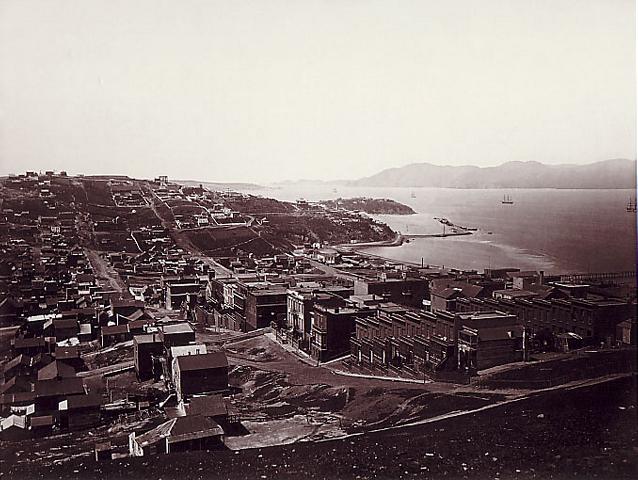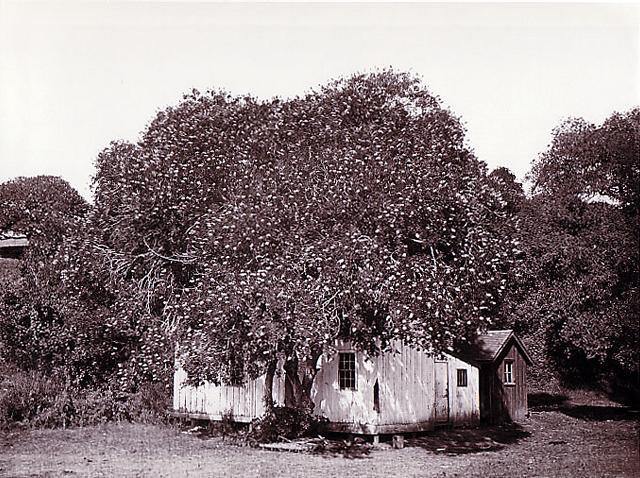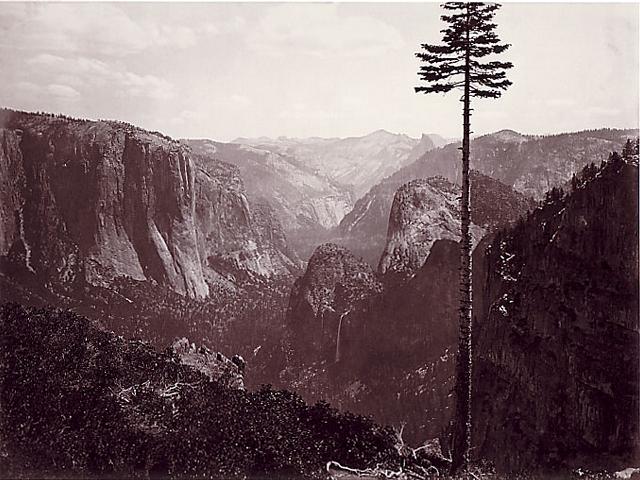
Carleton Watkins was an accomplished American photographer of the 19th century, best known for his landscape photography. Born on November 11, 1829, in Oneonta, New York, Watkins became interested in photography by chance when a local daguerreotypist asked him to stand in for a missing employee. He then moved to California during the gold rush in search of opportunities.
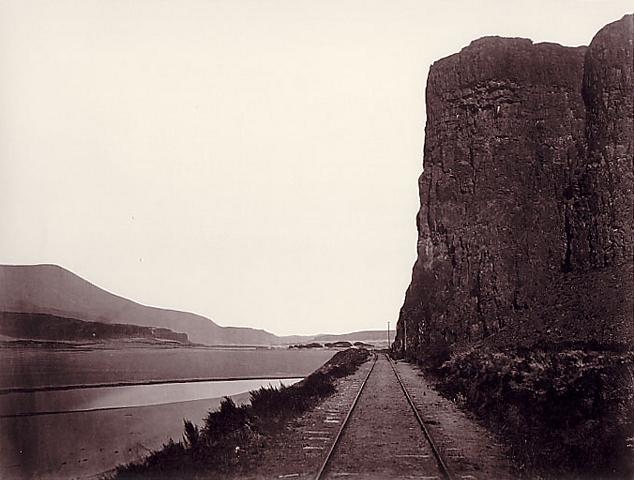
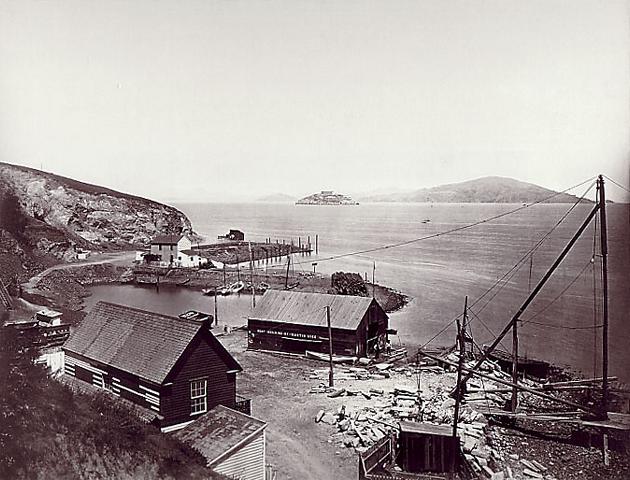
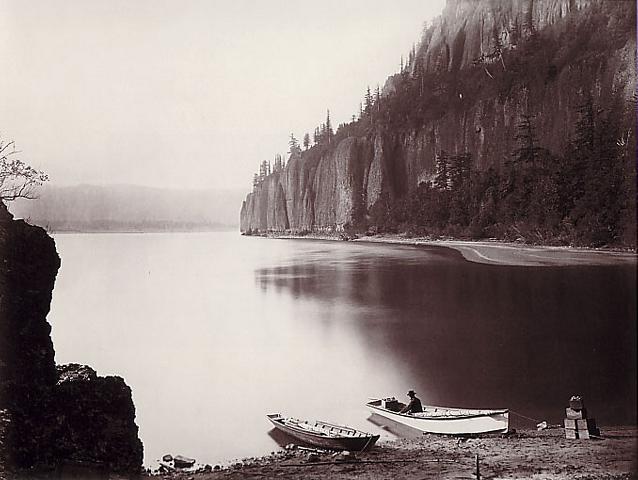
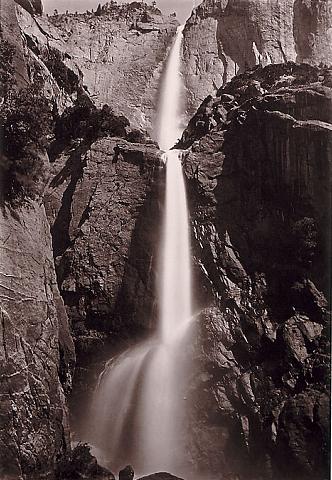
Watkins is considered one of the greatest photographers of the American West due to his thousands of mammoth and imperial plate photographs that showcased iconic American landscapes such as Yosemite Valley, Columbia River, Sierra Nevada, and Pacific Coast in Oregon. In particular, his stunning Yosemite pictures gained worldwide acclaim and were groundbreaking technically. To this day no complete listings of his ‘Old Series’ stereoviews published before 1875 are known.
Although he enjoyed much success during his lifetime as a photographer Watkins’s work has never been fully cataloged even with many titles being believed to be missing or lost forever. His legacy continues today through modern-day photographers who follow in his footsteps while capturing America’s most beautiful vistas through their lenses.