![]() |
![]() CDROM VERSION POSTER STORE ABBOTT ANSEL ADAMS ROBERT ADAMS ALVAREZ BRAVO ATGET BELLOCQ BLOSSFELDT BOURKE-WHITE BRANDT BRASSAÏ CALLAHAN CAMERON COBURN CUNNINGHAM DeCARAVA DOISNEAU EGGLESTON EVANS FENTON FRIEDLANDER GOWIN GUTMANN HILL&ADAMSON HINE KARSH KERTÉSZ KLEIN KOUDELKA LANGE LARTIGUE LAUGHLIN LEVITT MAPPLETHORPE MEATYARD MEYEROWITZ MODEL MODOTTI MUYBRIDGE NADAR NEWMAN O'SULLIVAN OUTERBRIDGE PARKS PENN RIIS RODCHENKO SALGADO SHERMAN SHORE SMITH SOMMER STEICHEN STIEGLITZ STRAND TALBOT UELSMANN WALDMAN WATKINS WESTON WHITE WINOGRAND WOLLEH |
![]() Text from Wikipedia
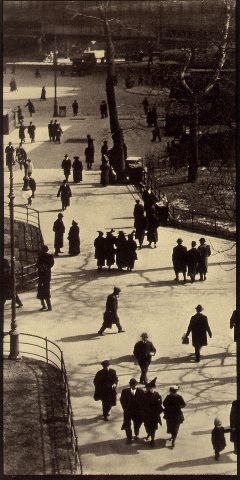
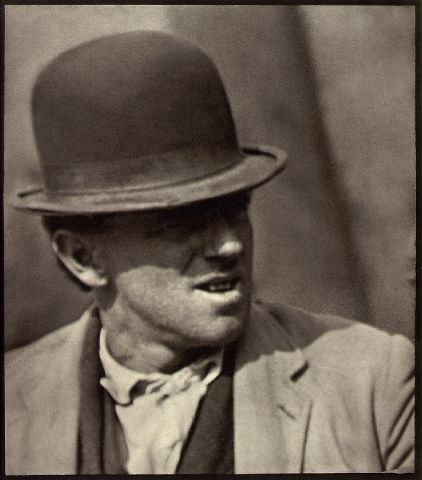
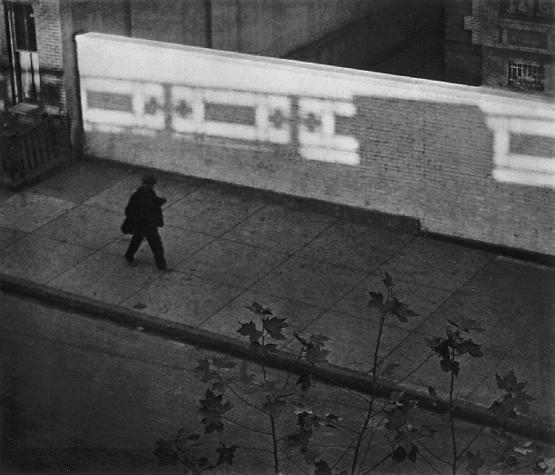
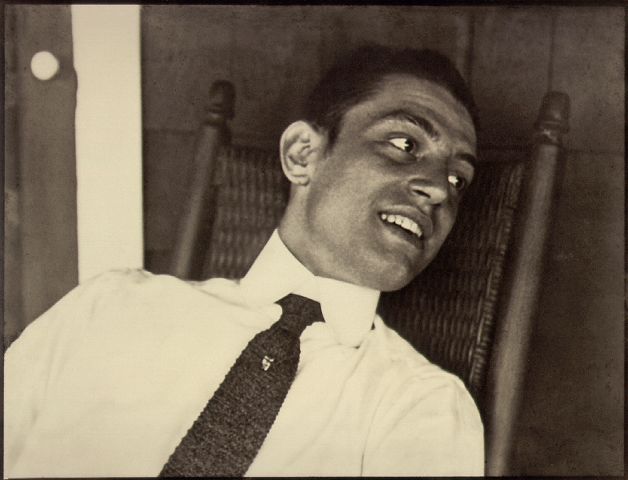
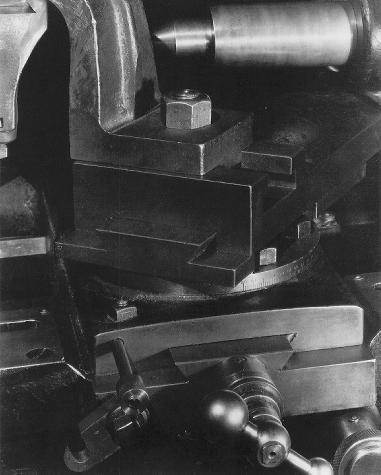
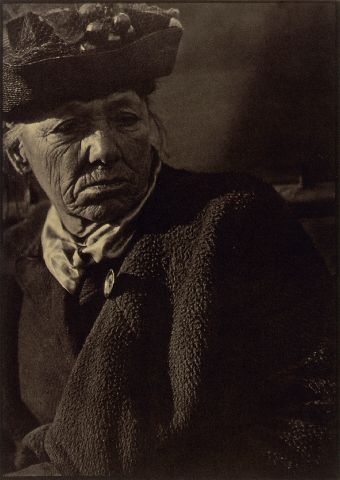
Strand, Paul Paul Strand (October 16, 1890 – March 31, 1976) was an American photographer and filmmaker who, along with fellow Modernist photographers like Alfred Stieglitz and Edward Weston, helped establish photography as an art form in the 20th century. His diverse body of work, spanning six decades, covers numerous genres and subjects throughout the Americas, Europe and Africa. Born in New York City to Bohemian parents, Strand was a student of renowned documentary photographer Lewis Hine at the Ethical Culture Fieldston School in his late teens. It was while on a fieldtrip in this class that Strand first visited the 291 art gallery – operated by Stieglitz and Edward Steichen – where exhibitions of work by forward-thinking Modernist photographers and painters would convince Strand to take his photographic hobby more seriously. Stieglitz would later promote Strand's work both in the 291 itself and in his photography publication Camera Work. Some of this early work experimented with formal abstractions, while other works showed his interest in using the camera as a tool for social reform (no doubt inspired by Hine). Over the next few decades Strand got into motion pictures as well as still photography. His first film project was Manhatta, (also known as New York the Magnificent) a silent film showing the day-to-day life of New York City made with painter/photographer Charles Sheeler. Other films he was involved with included Redes, (released in the US as The Wave) a film commissioned by the Mexican government in 1936 and the pro-union, anti-fascist Native Land released in 1942. Strand was closely involved with Frontier Films, one of more than twenty organizations which were branded as ‘subversive’ and ‘un-American’ by the US Attorney General. In 1945, Strand collaborated on a book of his photographs with photography critic Nancy Newhall. In June 1949 Strand left the United States to present Native Land at the International Film Festival in Marianske Lazne, Czechoslovakia. It was a departure that marked the beginning of Strand’s long exile from the prevailing climate of McCarthyism. Strand’s unwavering allegiance to Communism, fostered by his time in revolutionary Mexico, made his continuing residency in the United States untenable. The remaining twenty seven years of his life were spent in France where, despite never learning the language, he maintained an impressive creative life, assisted by his second wife, the photographer Hazel Kingsbury Strand. Although Strand is best known for his early abstractions, his return to still photography in this period of exile produced some of his most significant work in the form of six book ‘portraits’ of place: Time in New England (1950), La France de Profil (1952), Un Paese (featuring photographs of the Po River Valley in Italy, 1955), Tir a'Mhurain / Outer Hebrides (1962), Living Egypt (1969) and Ghana: an African portrait (1976). The geography of Strand’s work is itself important. The historian of art, Mike Weaver, has made the case that each of these books, in different ways, reflects Strand’s abiding commitment to the exploration of a Marxist aesthetic. Paul Strand's estate is managed by Aperture Foundation, New York.
|