![]() |
![]() CDROM VERSION POSTER STORE ABBOTT ANSEL ADAMS ROBERT ADAMS ALVAREZ BRAVO ATGET BELLOCQ BLOSSFELDT BOURKE-WHITE BRANDT BRASSAÏ CALLAHAN CAMERON COBURN CUNNINGHAM DeCARAVA DOISNEAU EGGLESTON EVANS FENTON FRIEDLANDER GOWIN GUTMANN HILL&ADAMSON HINE KARSH KERTÉSZ KLEIN KOUDELKA LANGE LARTIGUE LAUGHLIN LEVITT MAPPLETHORPE MEATYARD MEYEROWITZ MODEL MODOTTI MUYBRIDGE NADAR NEWMAN O'SULLIVAN OUTERBRIDGE PARKS PENN RIIS RODCHENKO SALGADO SHERMAN SHORE SMITH SOMMER STEICHEN STIEGLITZ STRAND TALBOT UELSMANN WALDMAN WATKINS WESTON WHITE WINOGRAND WOLLEH |
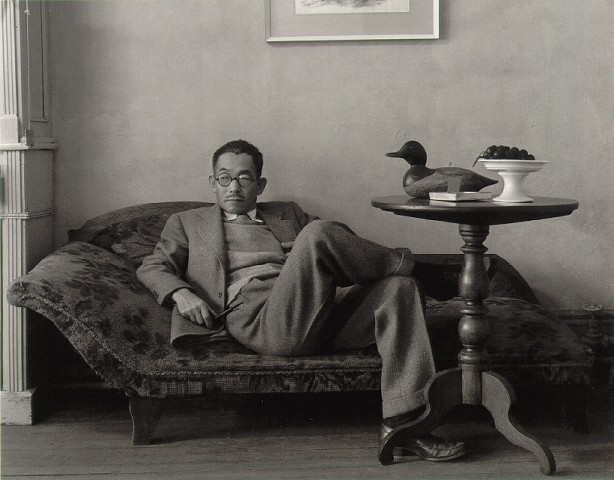
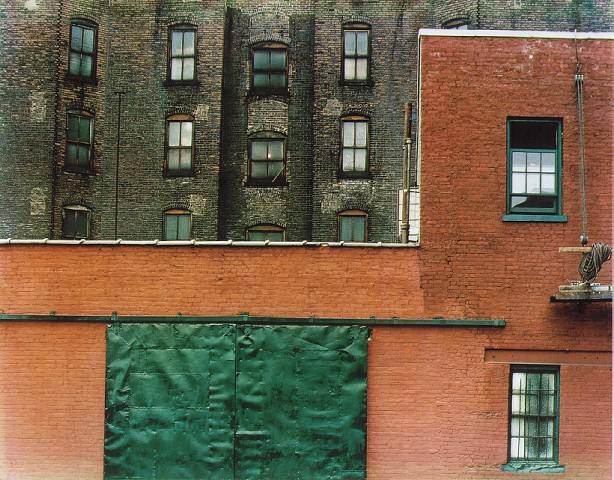
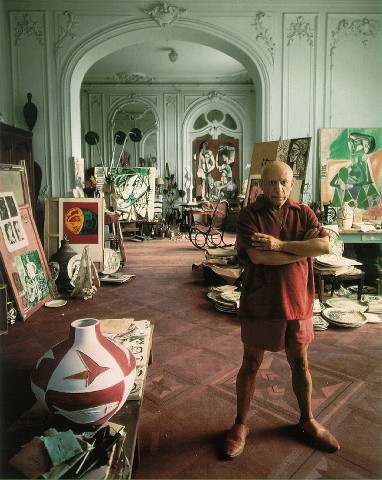
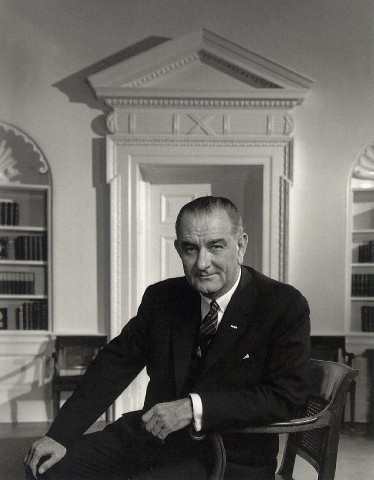
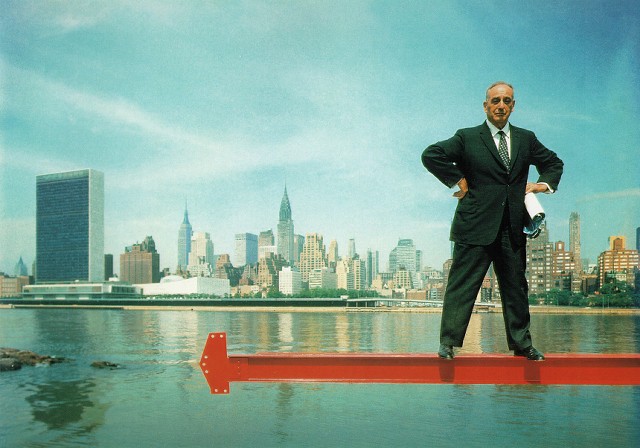
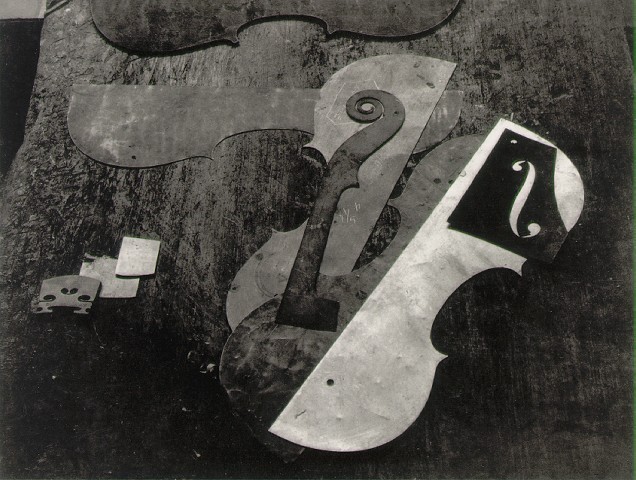
![]() Text from The Photography Encyclopedia Newman, Arnold (1918-): American portrait photographer A master of portraiture, Newman has produced indelible images of people from all walks of life. He is best known for his portraits of celebrities, particularly artists, whom he depicts in the contexts of their profession, identifying the sitter with his or her accomplishments. Among his subjects have been such figures as John F. Kennedy, Adlai Stevenson, Marilyn Monroe, Alexander Calder, Carl Sandburg, and Frank Lloyd Wright. Born in New York City, Newman grew up in Atlantic City and Miami Beach. As a teenager he displayed a marked aptitude for art and pursued art studies at the University of Miami, where he met David Douglas Duncan, who would go on to become a renowned photojournalist. Financial problems led to Newman's leaving school and taking a job offered by a family friend in a Philadelphia photo studio. As he learned the craft of photography, his interest in the medium replaced his ambition to become a painter. He was able to support himself as a portrait photographer while pursuing his personal vision, experimenting with cut out images, assemblage, and other modernist design possibilities. On trips to New York he met Alfred Stieglitz, Beaumont Newhall, and Dr. Robert Leslie of the A D Gallery, who offered him his first exhibit. Newman moved to New York at the opening of the exhibit in 1942 and at this time conceptualized the basic philosophy of his future work, "to take pictures of people in their natural surroundings with a little stronger feeling about not just setting it up." In 1946 he worked on assignments for Alexey Brodovitch, and Harper's Bazaar and Life were his major clients. He took some of his most famous portraits at this time, including one of Igor Stravinksy sitting at his piano, which ironically Brodovitch, in one of the most noted gaffes in photo history, rejected. Newman's assignments from magazines have taken him around the world. He was commissioned by the National Portrait Gallery in London to photograph major British figures in the arts and politics. A film about him, The Image Makers - The Environment of Arnold Newman, was produced in 1977, and he has won numerous awards, including the American Society of Media Photographers Lifetime Achievement in Photography. Newman's work has been exhibited in one man and group shows worldwide, in museums that include the Metropolitan Museum of Art and the Israel Museum in Tel Aviv. Selections of his work have been published in One Mind's Eye (1974) and Arnold Newman, Five Decades (1986).
|
Buying through this link supports Masters of Photography
|