![]() |
![]() CDROM VERSION POSTER STORE ABBOTT ANSEL ADAMS ROBERT ADAMS ALVAREZ BRAVO ATGET BELLOCQ BLOSSFELDT BOURKE-WHITE BRANDT BRASSAÏ CALLAHAN CAMERON COBURN CUNNINGHAM DeCARAVA DOISNEAU EGGLESTON EVANS FENTON FRIEDLANDER GOWIN GUTMANN HILL&ADAMSON HINE KARSH KERTÉSZ KLEIN KOUDELKA LANGE LARTIGUE LAUGHLIN LEVITT MAPPLETHORPE MEATYARD MEYEROWITZ MODEL MODOTTI MUYBRIDGE NADAR NEWMAN O'SULLIVAN OUTERBRIDGE PARKS PENN RIIS RODCHENKO SALGADO SHERMAN SHORE SMITH SOMMER STEICHEN STIEGLITZ STRAND TALBOT UELSMANN WALDMAN WATKINS WESTON WHITE WINOGRAND WOLLEH |
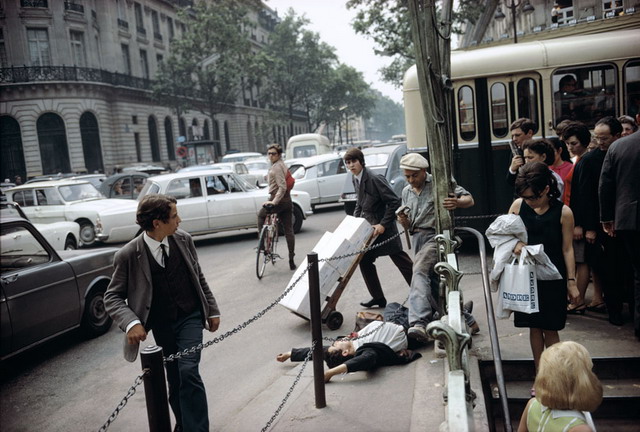
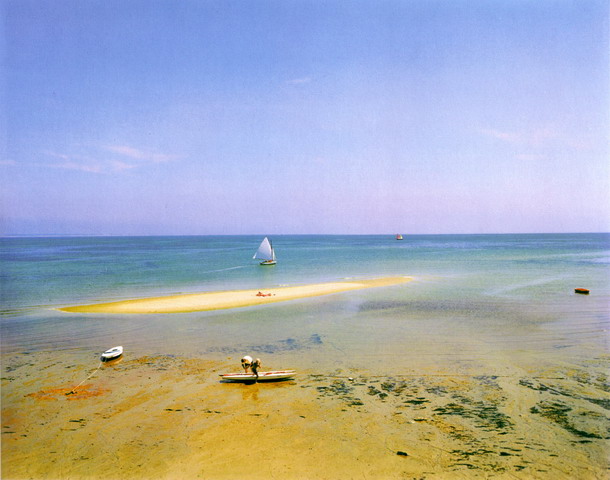
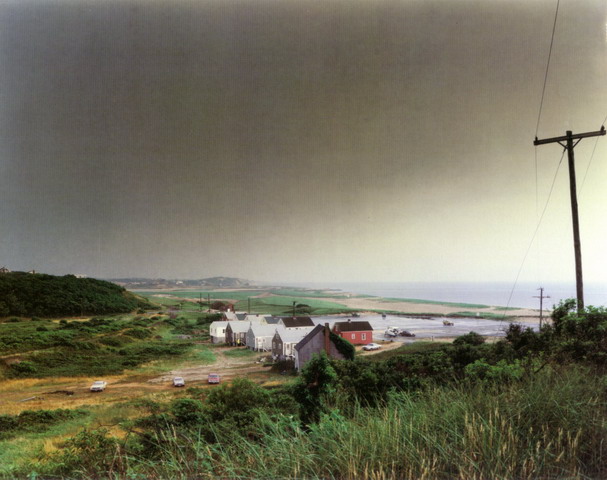
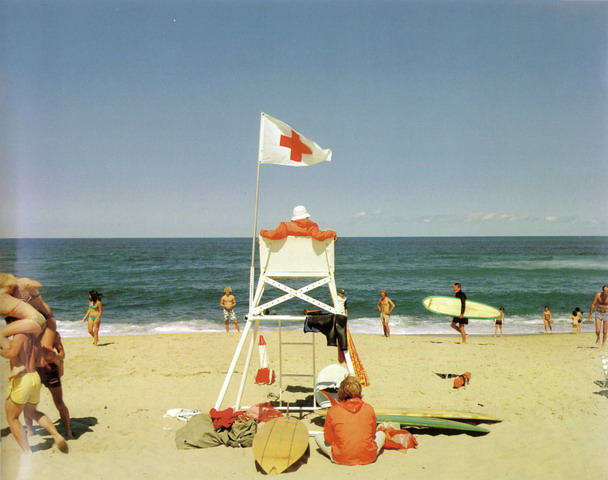
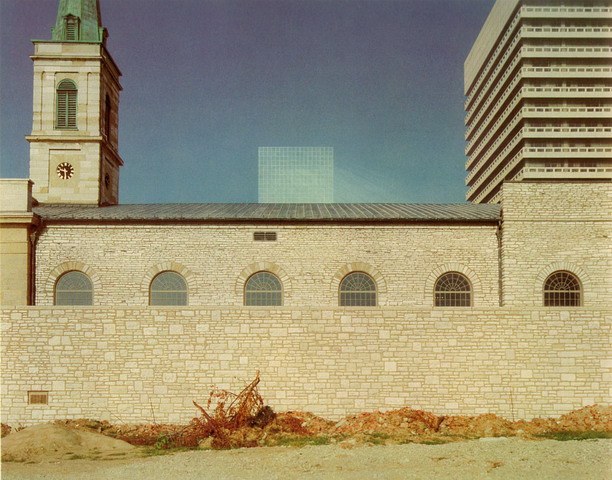
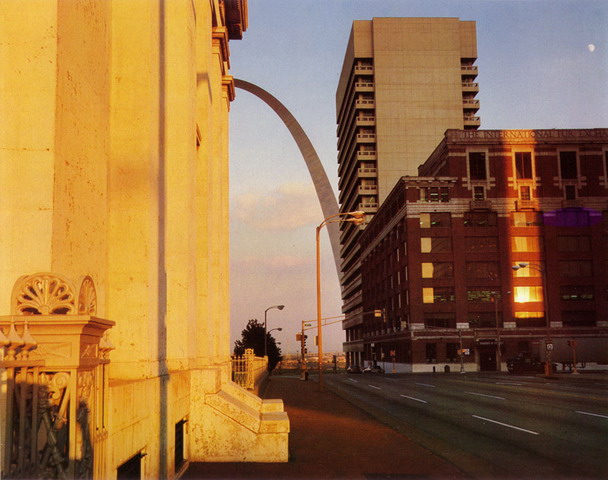
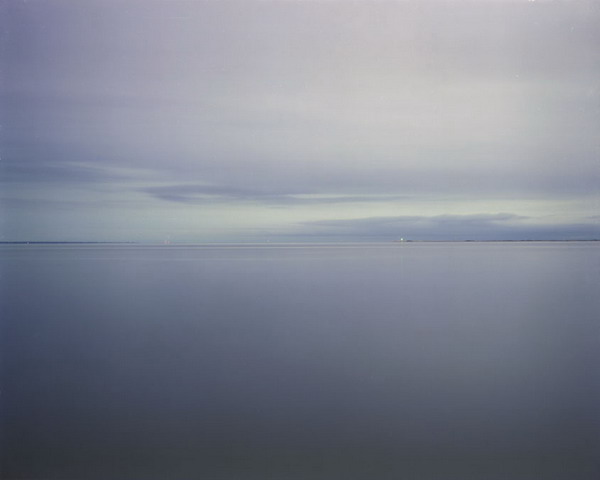
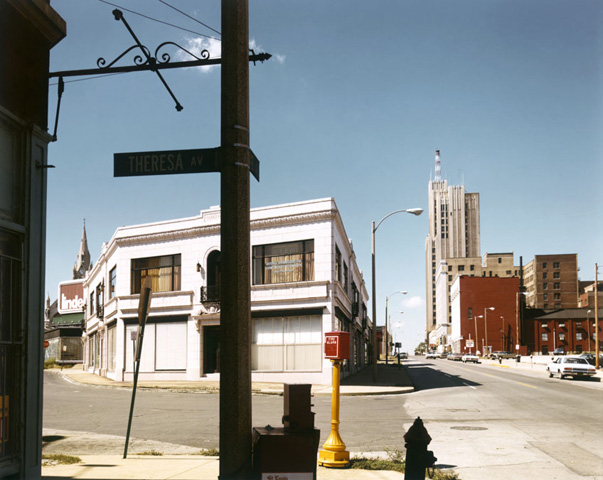
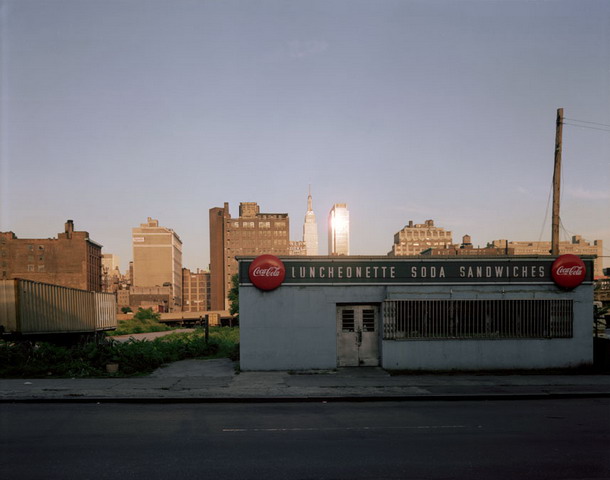
Text from Jonathan Green, "American Photography " The primary example of this return to the roots of American vernacular photography is Joel Meyerowitz. His evolution as a photographer recapitulates almost all of the influences on current color. Moving slowly away from his early association with hectic street work, Meyerowitz has progressed steadily from the social landscape to the chromatic landscape. In the process he has given up irony, then overt social commentary, then black and white film, and then the small camera, recapturing at each step more of Evans's transparent, anthropological eye. His latest large camera work, rather than documenting a split second episode, provides a lingering description of an extended moment in time and color. His recent beach studies in Cape Light (1978), the series on the Empire State Building (1978), and his book St. Louis & The Arch (1980) concentrate on the interactions of buildings with the glowing tones of land, sea, and sky. In these studies, Meyerowitz, like Hokusai in his Thirty-six Views of Mount Fuji, subtly blends mythology and fact. His latest work leaves far behind the earlier ambiguities of visual puns and wry juxtapositions, returning to the purity of description that Evans shared with Weston and Adams.
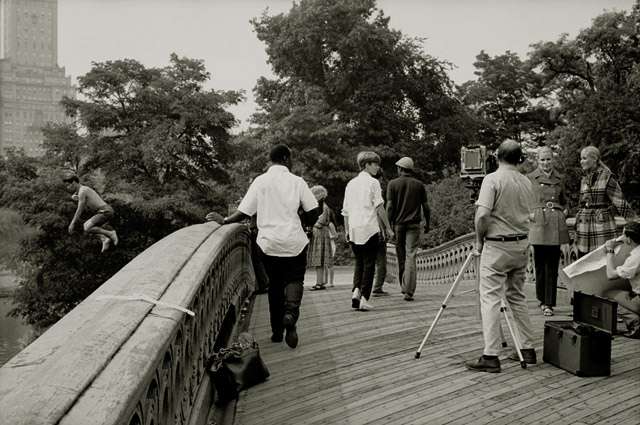
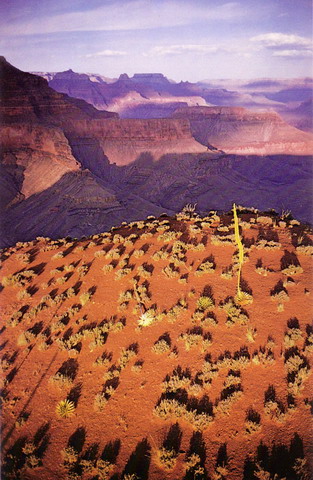
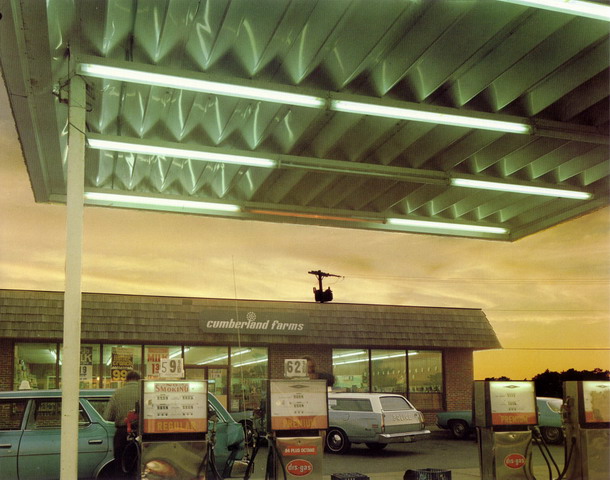
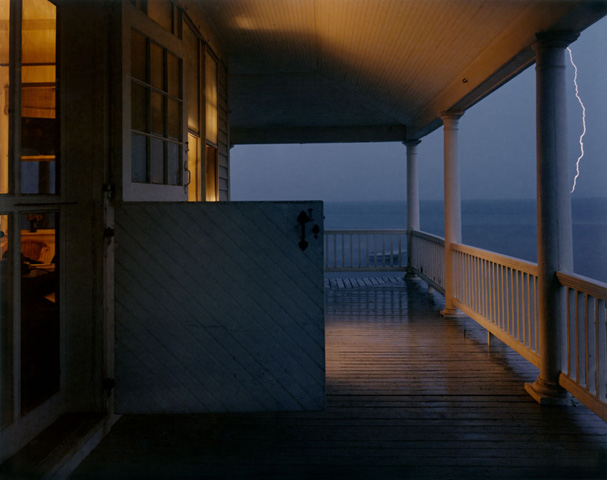
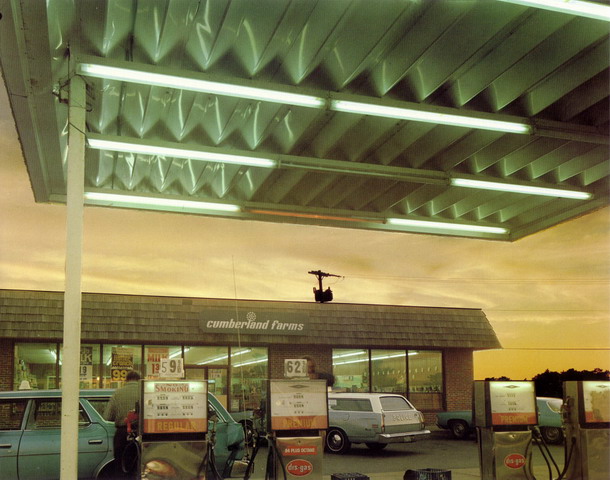
Text from Sarah Greenough, "On the Art of Fixing a Shadow: 150 Years of Photography" Like Porter, more recent color photographers owe their success partly to force of character. In order to handle color without being tainted by it, they have needed to have the right temperament and humor for the job. This is why a number of those who have been able to convince us with their visions, or at least disarm our resistance, have emerged from the street tradition. The instinct for odd moments, poetic juxtapositions, and a somewhat zany view of life, all found in the color work of photographers such as Helen Levitt and Joel Meyerowitz, keeps that work from seeming saccharine. Notice how a certain idea about picture making carries over from one phase of Meyerowitz's career to the next in three different images. In a black-and-white from 1969, a boy leaps off both a footbridge and the side of the photograph itself. In a 35mm color picture from 1973, a quirky, spindly desert weed rises, luminous, above the rim of the Grand Canyon. During a long view camera exposure at night for the 1977 Porch, Provincetown, a lightning bolt is imprinted on the outside of a porch column. All three pictures are, in effect, the same picture. That aberrant weed, its greenness as electric as the lightning flash, contradicts the picturebook pastels of nature in the background. In the Cape Cod image, the lightning itself has a similar effect. Its unexpectedness pokes a hole in the romantic bubble, the calendar art cliche, into which the photograph might otherwise fall. Although plenty of more conventionally pretty views may be found among Meyerowitz's Cape pictures, they are an indulgence the photographer has earned. They are meant to be viewed in the context of many images that have surprising, off beat subjects, or that pit the acidic colors of neon and fluorescent light against the pastels of a sunset.
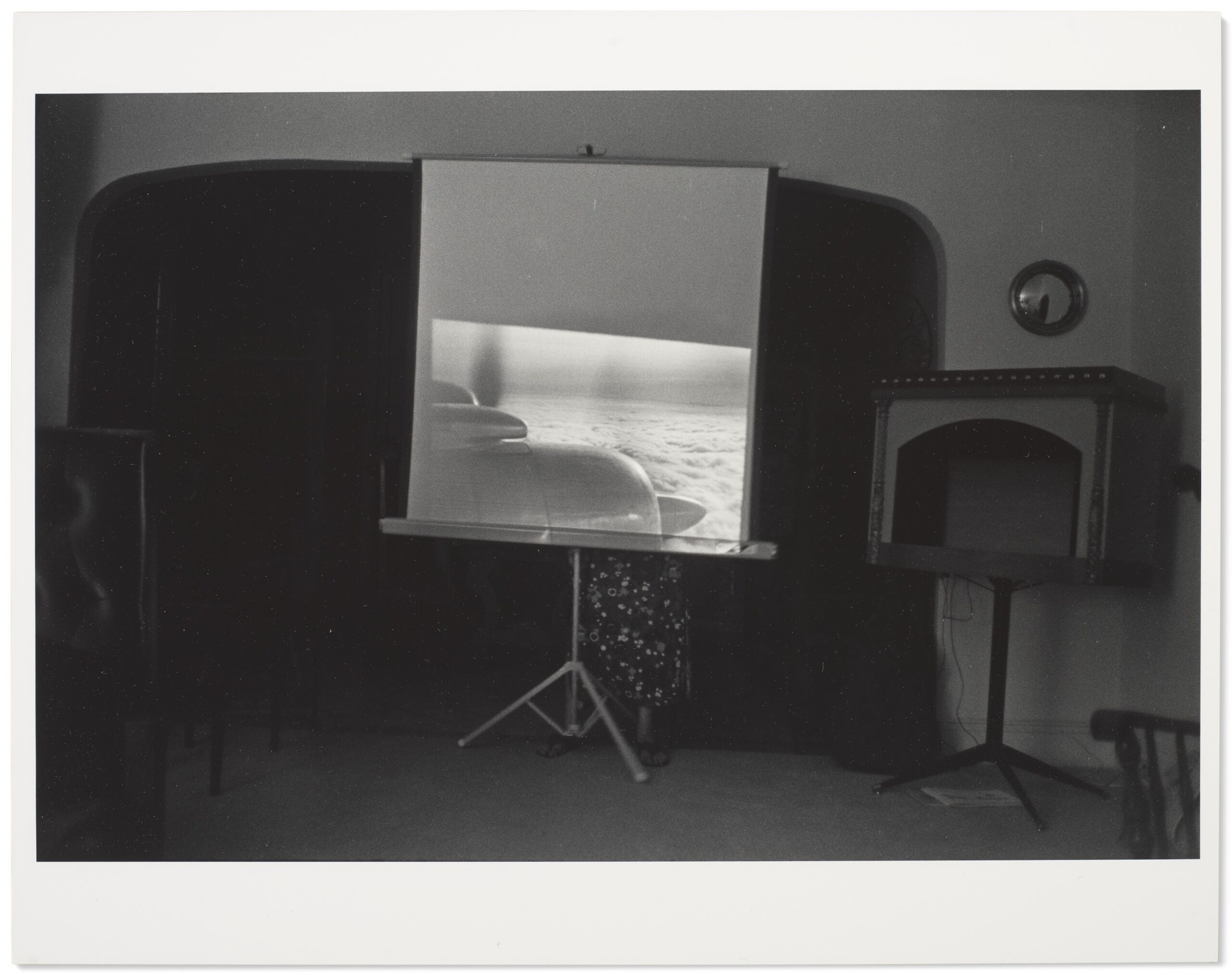
Text from John Szarkowski, "Looking at Photographs" Today's best photographers discover more and more within what would seem less and less. Who would have thought that a picture, a mystery, and a joke might be coaxed from subject matter as profoundly banal as that represented in Joel Meyerowitz's picture? For better or worse, the nature of the content of such photographs seems progressively less susceptible to translation into words. Possibly the point can be demonstrated by suggesting in capsule form a number of critical approaches that would clearly be irrelevant: 1. Cultural. One's home is not so much one's castle as one's theater. Even the openings between rooms are designed to recall the proscenium arch. In this typical contemporary house the traditional main stage is dark and abandoned. The puppet theater with its modernistic tripod stand is relegated to a corner. Both have been superseded by the Kodachrome slide show, which is more consonant with our faith in science, technology, and results. 2. Sociological. When one visits friends who have fully adapted themselves to modern culture, one must be prepared for the possibility that the host will act only as projectionist, and the hostess only as stage manager. During the evening they may not appear at all in the pastel hues of real life, but only in fortified color, against skies of cerulean blue. 3. Formalist. The picture is essentially an arrangement of six potential picture frames, or windows, each of which has been cleansed of traditional anthropocentric "content" in order that their plastic relationship might speak without anecdotal interruptions. 4. Symbolist, or Psychoanalytical... The central and brightest area of the image obviously reveals a sublimated mammary fixation. It is perhaps significant that the real woman in the picture is hidden from the waist up, and ....
|
Buying through this link supports Masters of Photography
|