![]() |
![]() CDROM VERSION POSTER STORE ABBOTT ANSEL ADAMS ROBERT ADAMS ALVAREZ BRAVO ATGET BELLOCQ BLOSSFELDT BOURKE-WHITE BRANDT BRASSAÏ CALLAHAN CAMERON COBURN CUNNINGHAM DeCARAVA DOISNEAU EGGLESTON EVANS FENTON FRIEDLANDER GOWIN GUTMANN HILL&ADAMSON HINE KARSH KERTÉSZ KLEIN KOUDELKA LANGE LARTIGUE LAUGHLIN LEVITT MAPPLETHORPE MEATYARD MEYEROWITZ MODEL MODOTTI MUYBRIDGE NADAR NEWMAN O'SULLIVAN OUTERBRIDGE PARKS PENN RIIS RODCHENKO SALGADO SHERMAN SHORE SMITH SOMMER STEICHEN STIEGLITZ STRAND TALBOT UELSMANN WALDMAN WATKINS WESTON WHITE WINOGRAND WOLLEH |
Text from Wikipedia
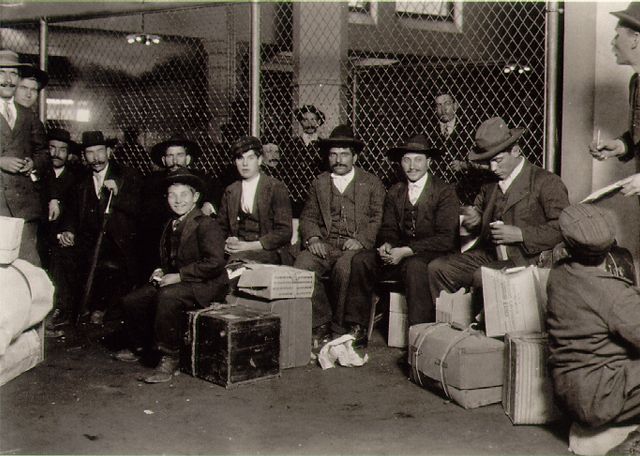
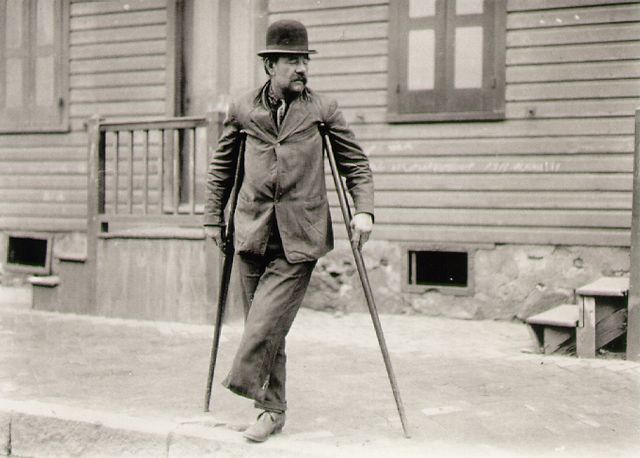
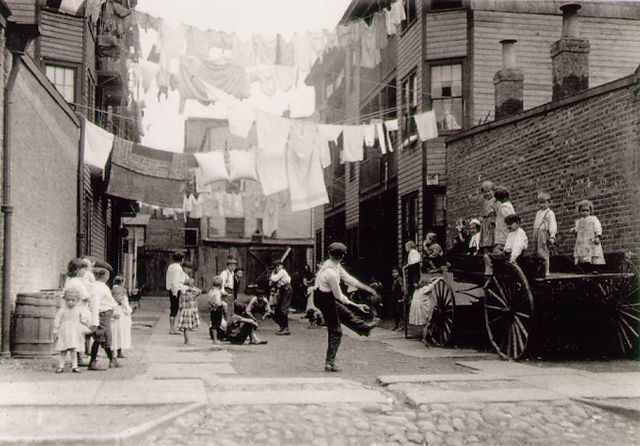
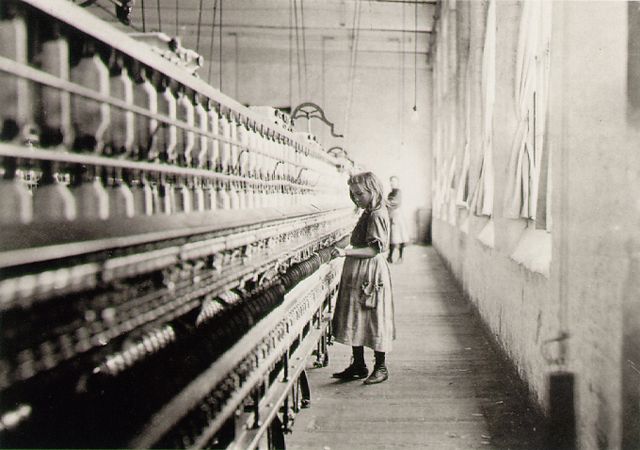
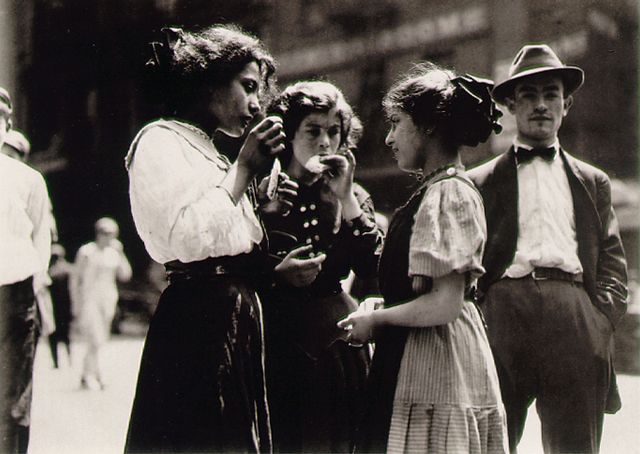
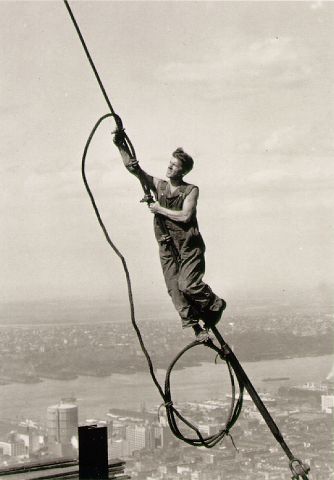
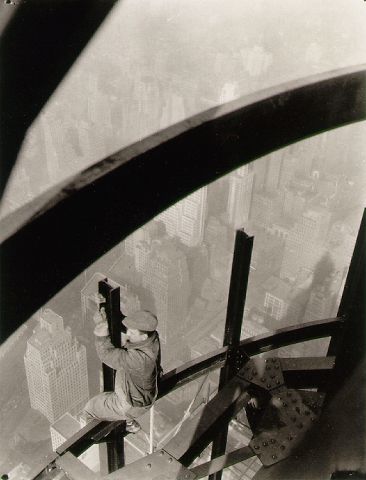
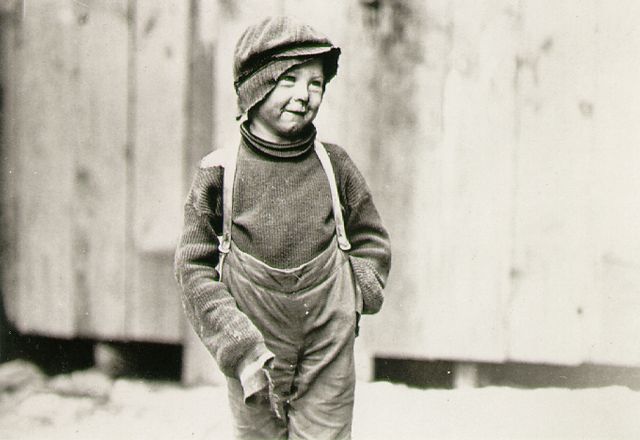
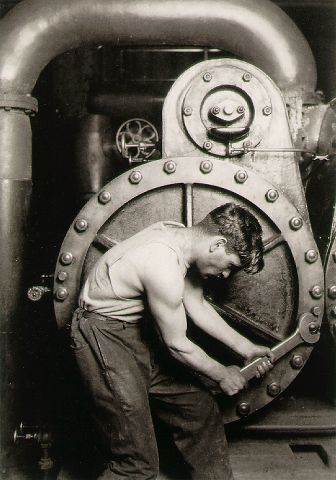
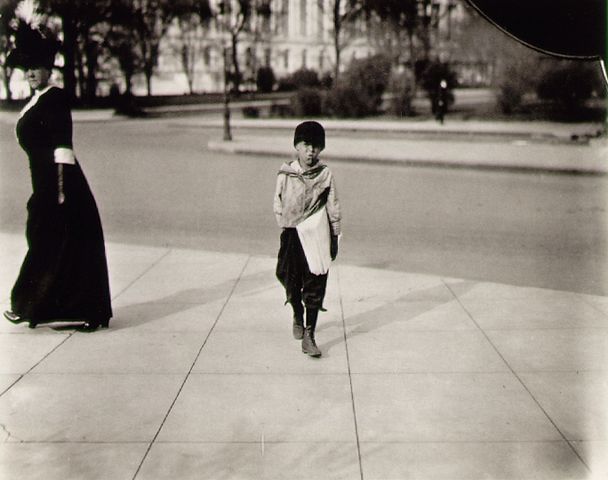
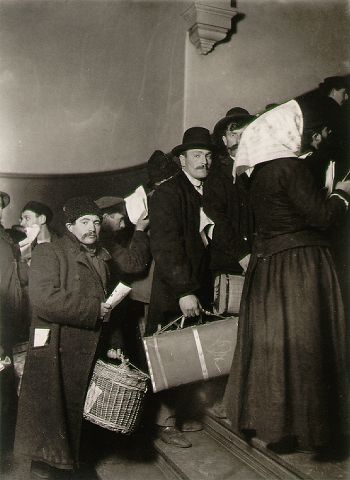
Hine, Lewis Wickes Lewis Wickes Hine (September 16, 1874 - November 3, 1940), was an American photographer. For Hine, the camera was both a research tool and an instrument of social reform. Born in Oshkosh, Wisconsin, Hine studied sociology at the University of Chicago, Columbia University, and New York University. He began his career in 1904, photographing immigrants arriving in the United States at Ellis Island in New York Harbor. In 1908, he became the photographer for the National Child Labor Committee (NCLC). Over the next decade, Hine documented child labor in American industry to aid the NCLC's lobbying efforts to end the practice. Between 1906 and 1908, he was a freelance photographer for The Survey, a leading social reform magazine. In 1908, Hine photographed life in the steel-making districts and people of Pittsburgh, Pennsylvania for the influential sociological study called The Pittsburgh Survey. During and after World War I, he documented American Red Cross relief work in Europe. In the 1920s and early 1930s, Hine made a series of "work portraits," which emphasized the human contribution to modern industry, and included photographs of the workers constructing New York City's Empire State Building. During the Great Depression, he again worked for the Red Cross, photographing drought relief in the American South, and for the Tennessee Valley Authority (TVA), documenting life in the mountains of eastern Tennessee. He also served as chief photographer for the Works Progress Administration's (WPA) National Research Project, which studied changes in industry and their effect on employment. Hine was also a member of the faculty of the Ethical Culture Fieldston School. The National Archives holds nearly 2,000 Hine photographs, including examples of his child labor and Red Cross photographs, his work portraits, and his WPA and TVA images.
|
Buying through this link supports Masters of Photography
|