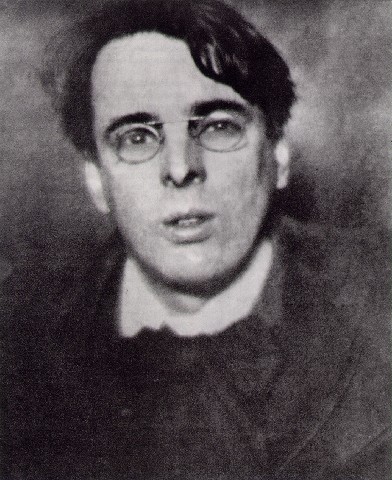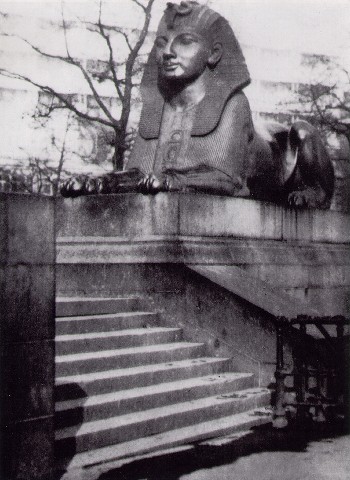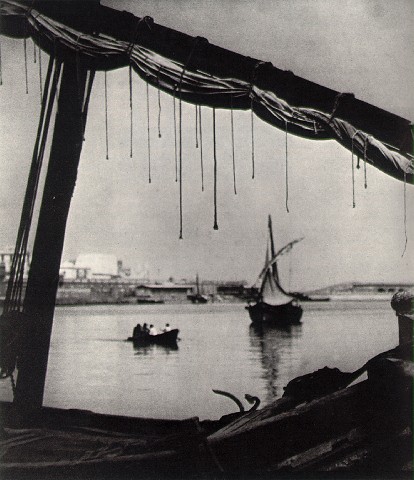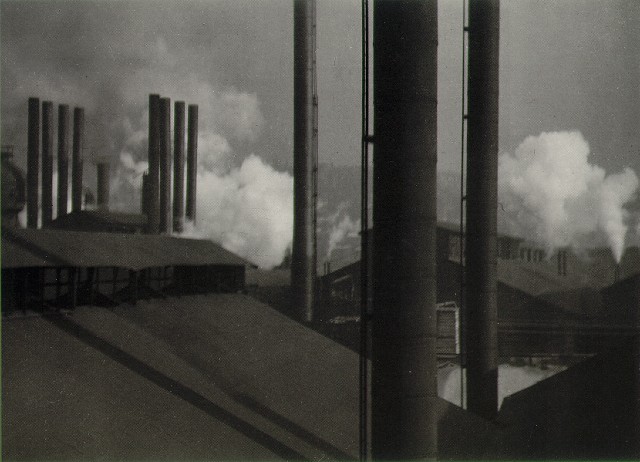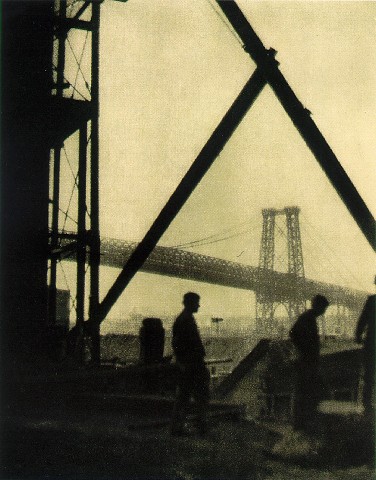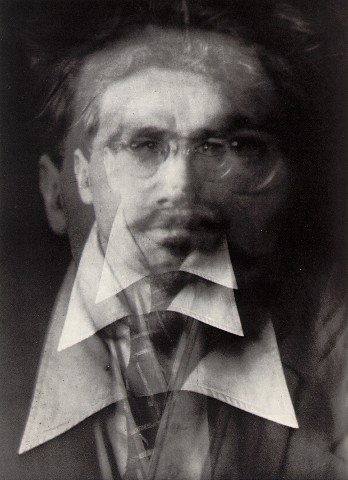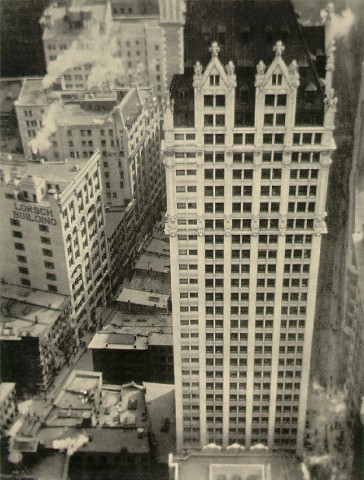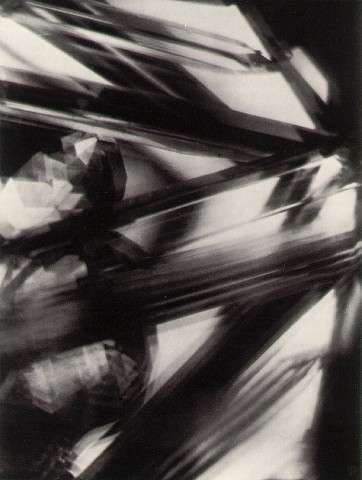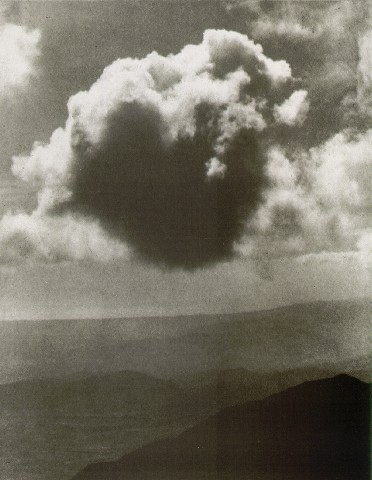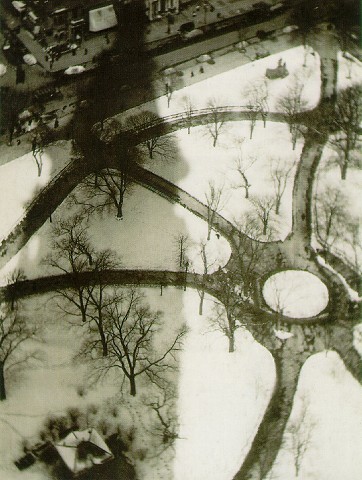
Alvin Langdon Coburn was a notable American photographer who contributed greatly to the development of pictorialism and early 20th-century photography. He experimented with new visual techniques, such as elevated viewpoints and completely abstract photographs, which helped establish him as an important modernist photographer by 1917.
Coburn’s interest in photography stemmed from his mother’s passion for it, which inspired him from a young age. He went on to be introduced to pictorialism by his cousin, F. Holland Day – a prominent photographer himself. Coburn illustrated books authored by renowned writers like G.K Chesterton and H.G Wells, as well as Robert Louis Stevenson and Henry James.
Coburn was a key member of two different movements: Photosecession, which was noted for promoting pictorialist photography; & the Vorticists movement, founded in Britain by Wyndham Lewis that valued abstraction and non-representation in its artistic practices. During his six-decade career span, Coburn became famous for both his photographic work and printmaking skills.
In summary, Coburn played an essential role in the evolution of modernist photography through his innovation of visual techniques such as elevated viewpoints and abstract images. His association with Photosecession Group & Vorticist movement expanded horizons within these groups’ respective worlds where he adopted new methods to create captivating pieces of art that were influential until four decades after his death.