![]() |
![]() CDROM VERSION POSTER STORE ABBOTT ANSEL ADAMS ROBERT ADAMS ALVAREZ BRAVO ATGET BELLOCQ BLOSSFELDT BOURKE-WHITE BRANDT BRASSAÏ CALLAHAN CAMERON COBURN CUNNINGHAM DeCARAVA DOISNEAU EGGLESTON EVANS FENTON FRIEDLANDER GOWIN GUTMANN HILL&ADAMSON HINE KARSH KERTÉSZ KLEIN KOUDELKA LANGE LARTIGUE LAUGHLIN LEVITT MAPPLETHORPE MEATYARD MEYEROWITZ MODEL MODOTTI MUYBRIDGE NADAR NEWMAN O'SULLIVAN OUTERBRIDGE PARKS PENN RIIS RODCHENKO SALGADO SHERMAN SHORE SMITH SOMMER STEICHEN STIEGLITZ STRAND TALBOT UELSMANN WALDMAN WATKINS WESTON WHITE WINOGRAND WOLLEH |
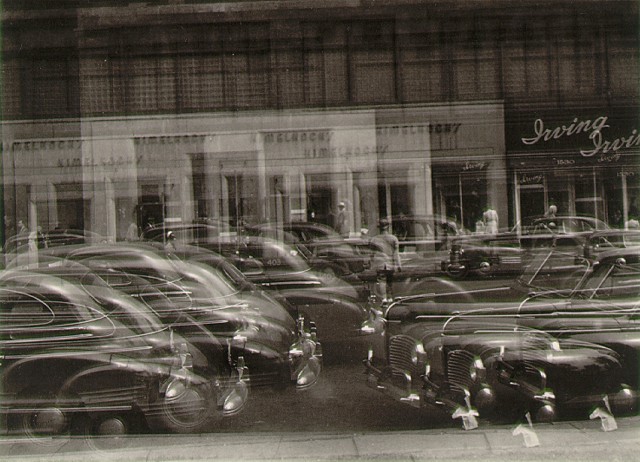
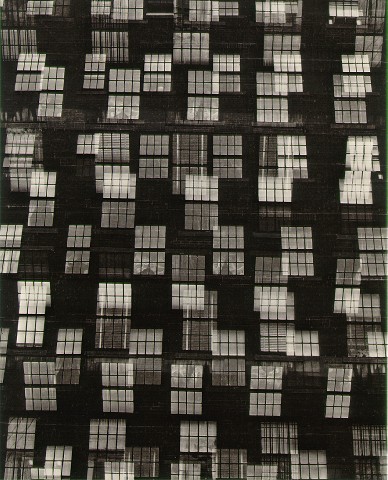
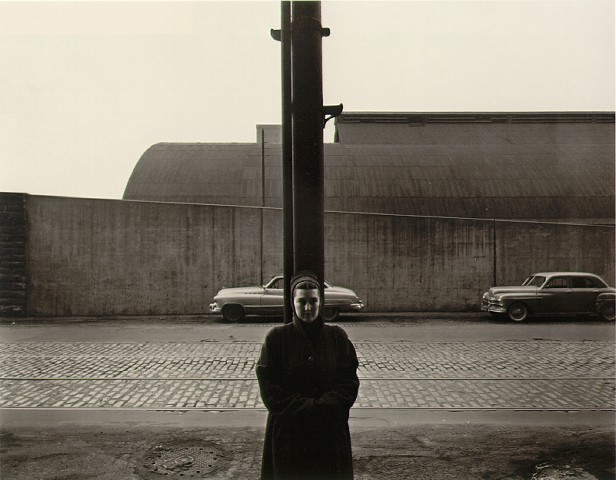
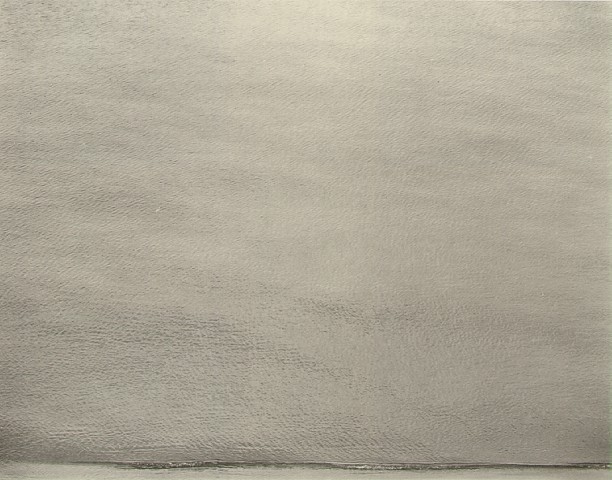
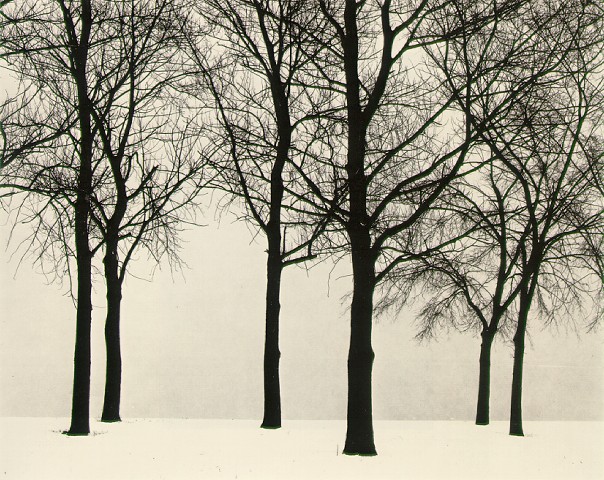
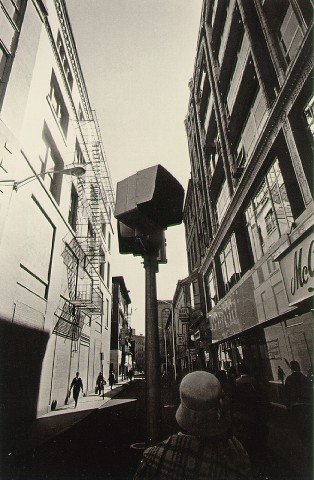
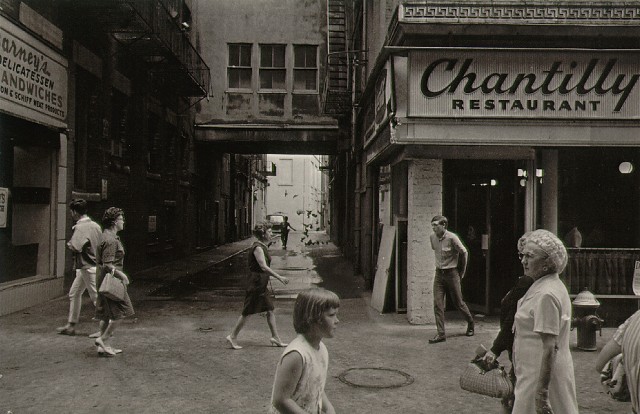
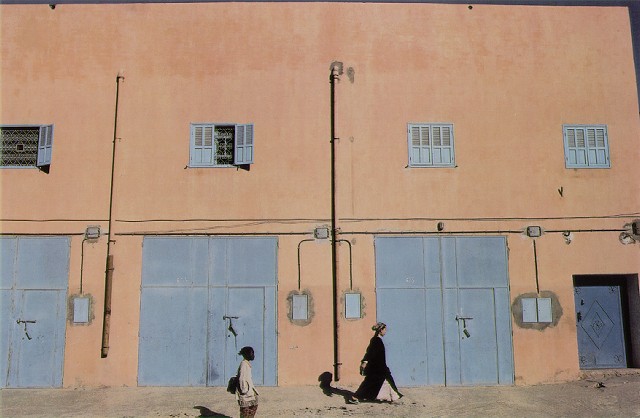
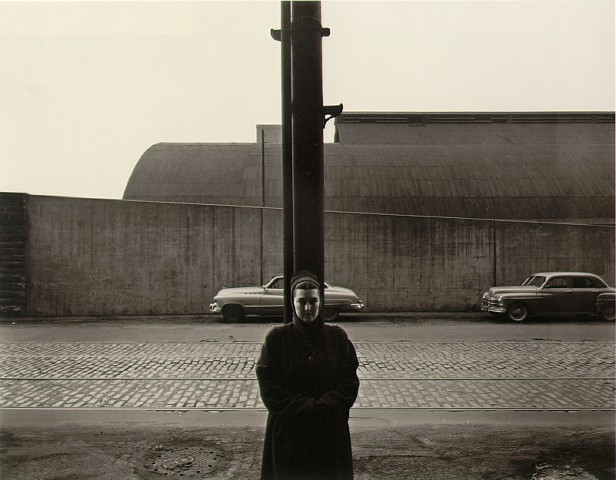
![]() Text from John Szarkowski, Looking at Photographs: 100 Pictures from the Collection of the Museum of Modern Art Since at least the middle of the nineteenth century, artists have advised each other to find their subject matter close to home, among things native to their own experience, and by and large they have done so. There are not many major painters of the period who, like Paul Gauguin, could comfortably provide the inspiration for a Somerset Maugham novel. Among photographers also, most of those who have produced the medium's memorable work have dealt with issues from their everyday lives, subject matter that they have known well. Nevertheless, the work of most artists clearly aims at extrapolating from their personal experience, to make it the vessel for a broader and more universal statement. Such work invites us to work our way outward, from the private and specific to the larger world. Harry Callahan's work is an exception, for it draws us ever more insistently inward toward the center of Callahan's private sensibility. This sensibility is expressed in his perception of subject matter that is remarkably personal and restricted in its range. For thirty years Callahan has photographed his wife and child, the streets of the cities in which he has lived, and details of the pastoral landscapes into which he has periodically escaped - materials so close at hand, so universally and obviously accessible, that one might have supposed that a dedicated photographer could exhaust their potential in a fraction of that time. Yet Callahan has repeatedly made these simple experiences new again by virtue of the precision of his feeling. The point is not merely that Callahan has responded faithfully as a photographer to the quality of his own life, or merely, even, that photography has been his method of focusing the meaning of that life. The point is that for Harry Callahan photography has been a way of living - his way of meeting and making peace with the day.
|
Buying through this link supports Masters of Photography
|