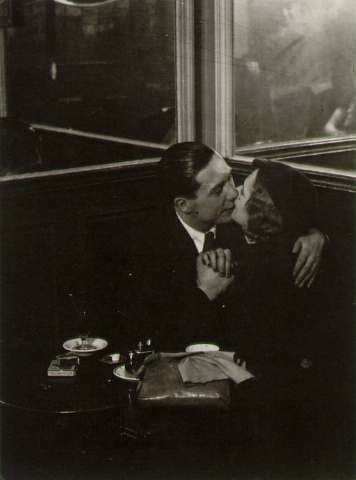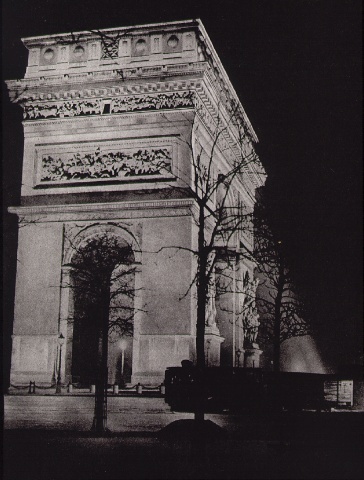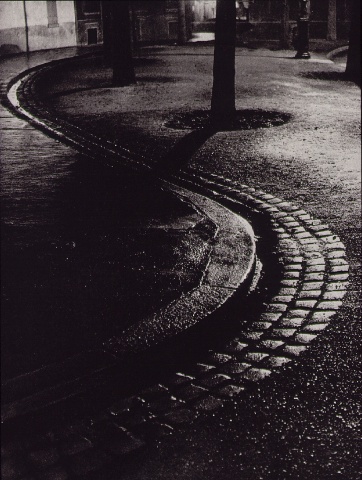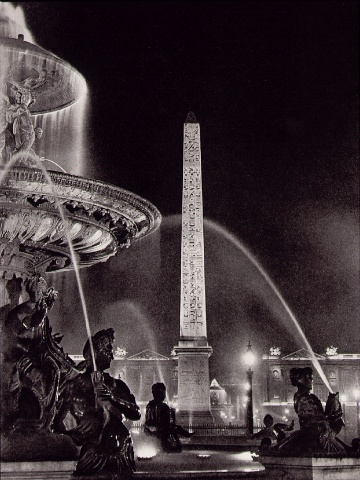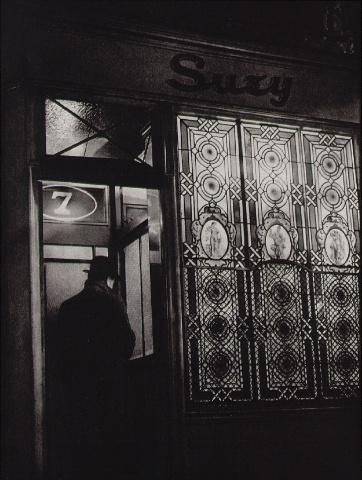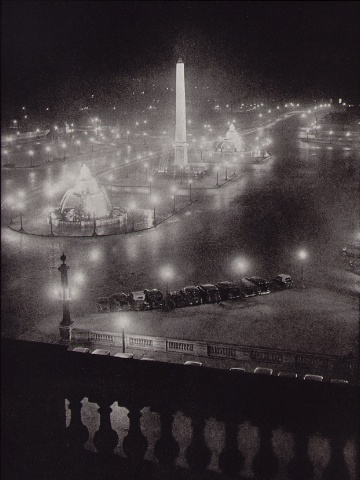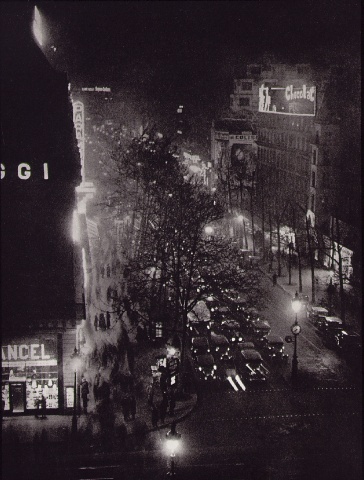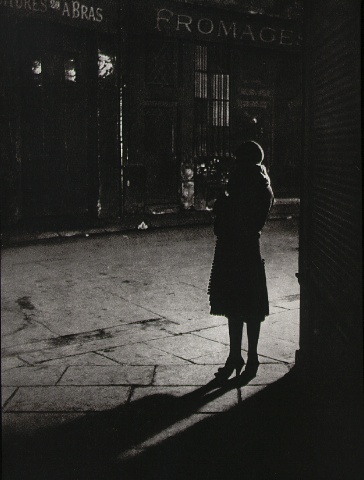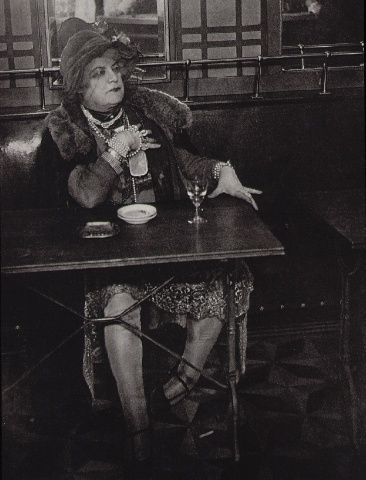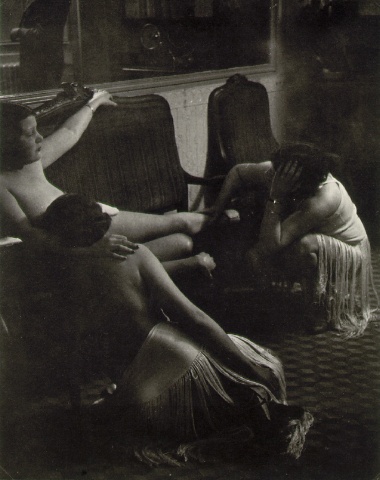
Brassai was a renowned artist who left a significant mark in photography, poetry, drawing, and sculpting in the 20th century. He gained international fame in France for his striking photographs of Paris at night, captured with a keen eye for detail and artistry. Brassai was part of a group of Hungarian expatriates who thrived creatively within Paris between world wars.
Before moving to Paris in 1924, Brassai studied painting and sculpture in both Budapest and Berlin academies. His thirst for new ideas drew him to the vibrant city that became his muse. His signature photographs from the 1930s showcased the eclectic nightlife that made Paris famous worldwide.
He published his first album, Paris by Night, which contained collections of insightful snapshots that depicted life during wartime and explored themes such as love, sex work or leisure activities. His adept graphic composition quickly won an audience across Europe and America.
Brassai’s photographs have influenced generations of photographers worldwide throughout history because they capture an elusive atmosphere that seems to be fading away over time vividly. Despite his artistic prowess extending beyond photography into other areas such as poetry with Les Proverbes Illustrés (1971) or sculptures like Vulture’s Nest (1948), it’s indisputable how he shaped the course of this field forever.