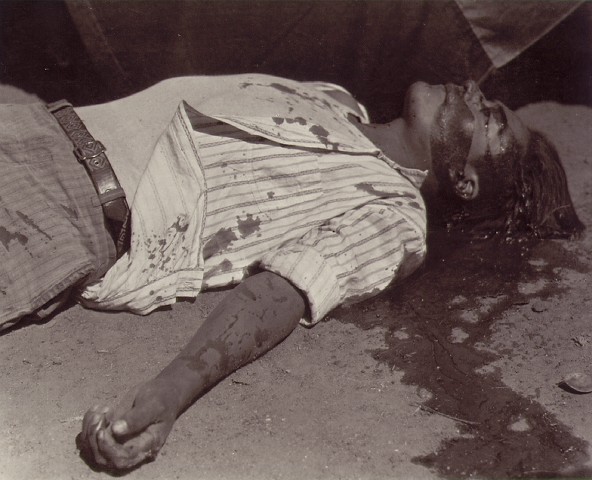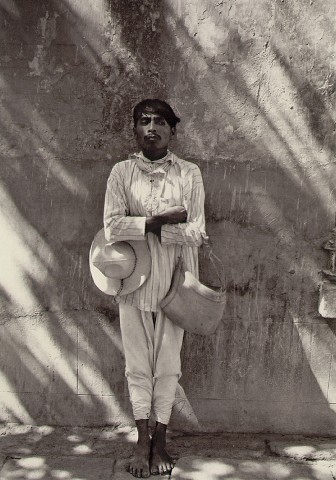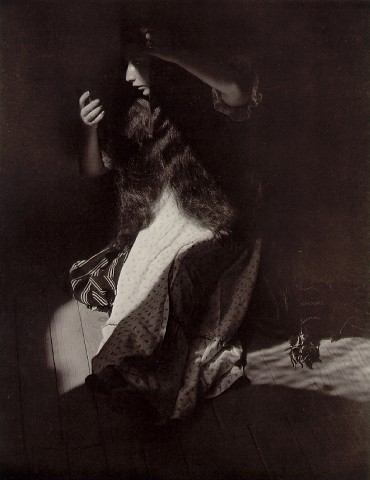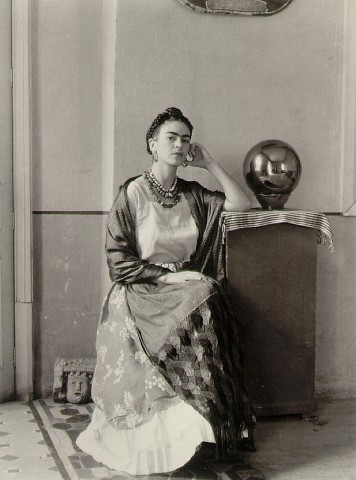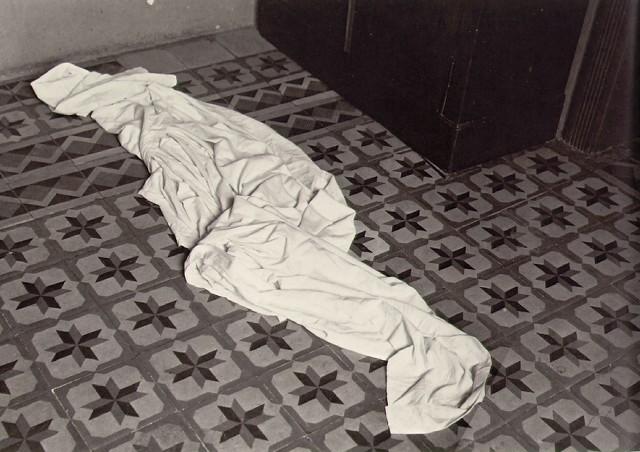
Manuel Álvarez Bravo, a Mexican photographer born and raised in Mexico City, was a leading representative of twentieth-century Latin American photography. His work spanned from the late 1920s to the 1990s and is considered some of the most important photography in 20th-century Latin America. Although he took art classes at the Academy of San Carlos, his photography was self-taught.
Álvarez Bravo was known for his black-and-white depictions of nudes, folk art, and street scenes imbued with a surreal or supernatural presence. He was influenced by European photographers such as Edward Weston and Henri Cartier-Bresson and became recognized for capturing uniquely Mexican subjects with his own artistic style. His photographs represented the height of Mexican photography during the 1930s and ’40s.
At the time of his death in 2002, Manuel Álvarez Bravo was 100 years old having lived almost the entire 20th century. Throughout his lifetime he received numerous awards including Mexico’s National Art Prize in Fine Arts as well as several honorary doctorates from prestigious universities around the world.
Today, researchers continue to study Álvarez Bravo’s iconic works which have been archived by museums around the globe. His contributions to modern photography on an international level make him an inspiration for aspiring photographers everywhere seeking to bring their own unique cultural backgrounds into their creative endeavors.